

fideliam989892
About fideliam989892
How you can Be In The highest 10 With Mortgage
 Every few years the housing market rewrites the rules, and buyers who learned the last set of rules show up unprepared for the new ones. Right now, the rules have changed more than they have at any point in a generation. The buyers who understand that are finding deals. The ones who do not are making expensive mistakes.
 In markets where developers managed to bring inventory to market faster than demand absorbed it, prices have pulled back. Several Sun Belt metros that boomed during the pandemic have given back a portion of those gains. But those are the exceptions. Most markets are not working from excess; they are working from scarcity.
 Affordability, by the standard measure of what share of median household income goes toward the monthly payment on a median-priced home, is near its worst level since the early 1980s. That is a real problem, and it is not going away quickly. A market can stay unaffordable for longer than most buyers expect to wait. What it means, practically, is that the pool of qualified buyers is smaller than it was three years ago.
Shop more than one institution, because the spread in rates and costs is real. A quarter-point difference in your interest rate adds up to real money that most buyers leave on the table by taking the first offer they receive. Lender fees vary too. Do not compare rate quotes without also comparing origination fees, points, and closing costs.
 The inspection is where the marketing copy meets reality. Show up for it even if it costs you half a day of work. A good home inspector will walk you through what they are finding as they go, and the conversation is often more valuable than the written report that follows.
Budget enough to cover origination fees, title, escrow, prepaid taxes, and insurance without being caught short at the table. First-time buyers often do not see the full closing cost picture until the Closing Disclosure arrives three days before settlement. Ask your lender for a Loan Estimate with a realistic purchase price so the numbers reflect what you are actually going to face.
The timing question, whether to buy now or wait for a better moment, is the one that trips up more buyers than any other single factor. The record on market timing for owner-occupied housing is not encouraging. The more useful question is not whether now is the right time in the abstract; it is whether you are buying because the numbers make sense for you, not because you feel social pressure to own.
Buyers who take the time to do their homework tend to find that there are still good properties available at realistic prices. Before you commit to a direction, browsing homes for sale and market resources can sharpen your picture of what is actually available in your price range.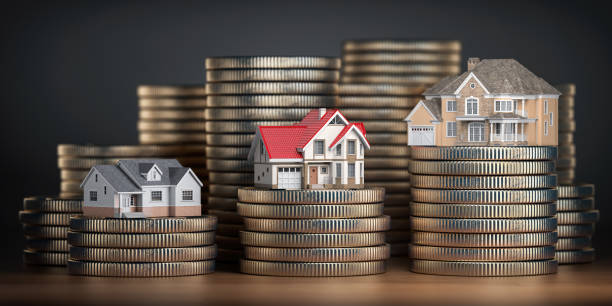
No listing found.